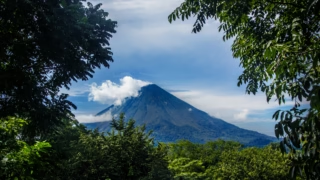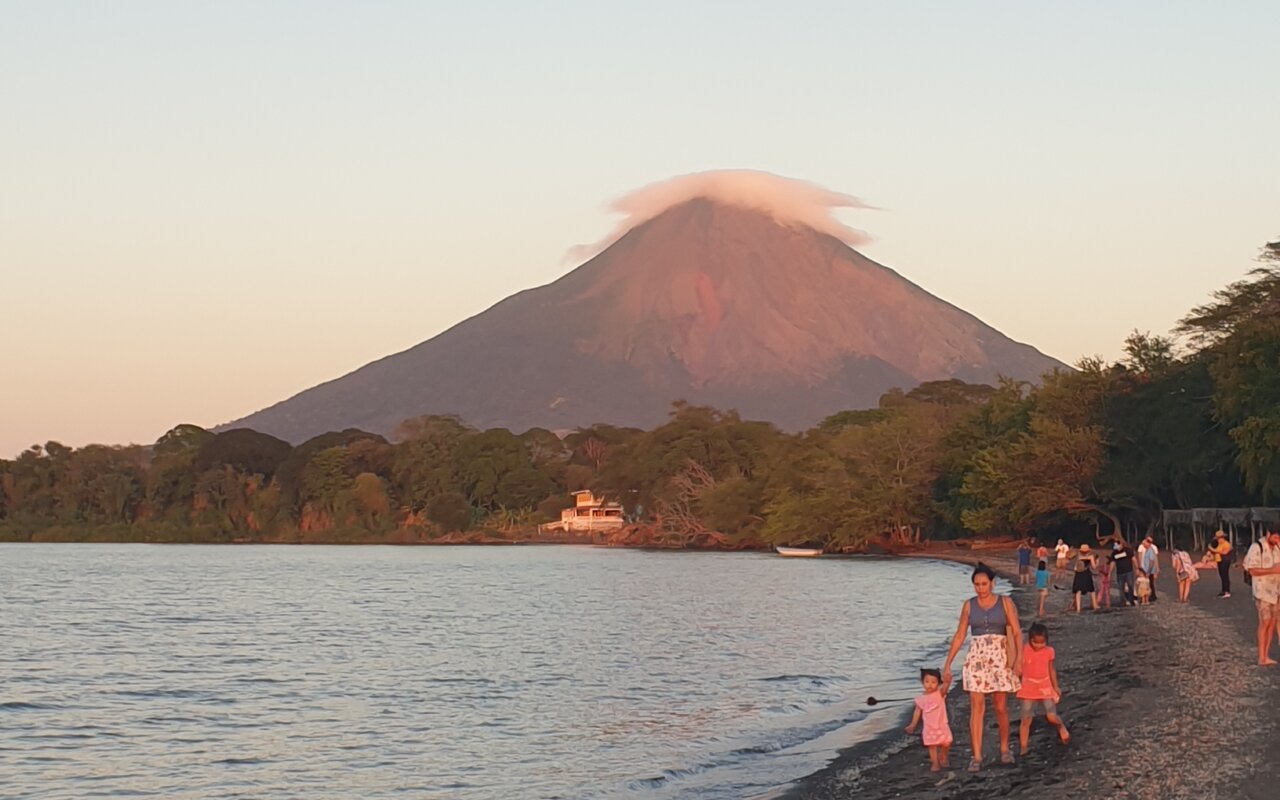
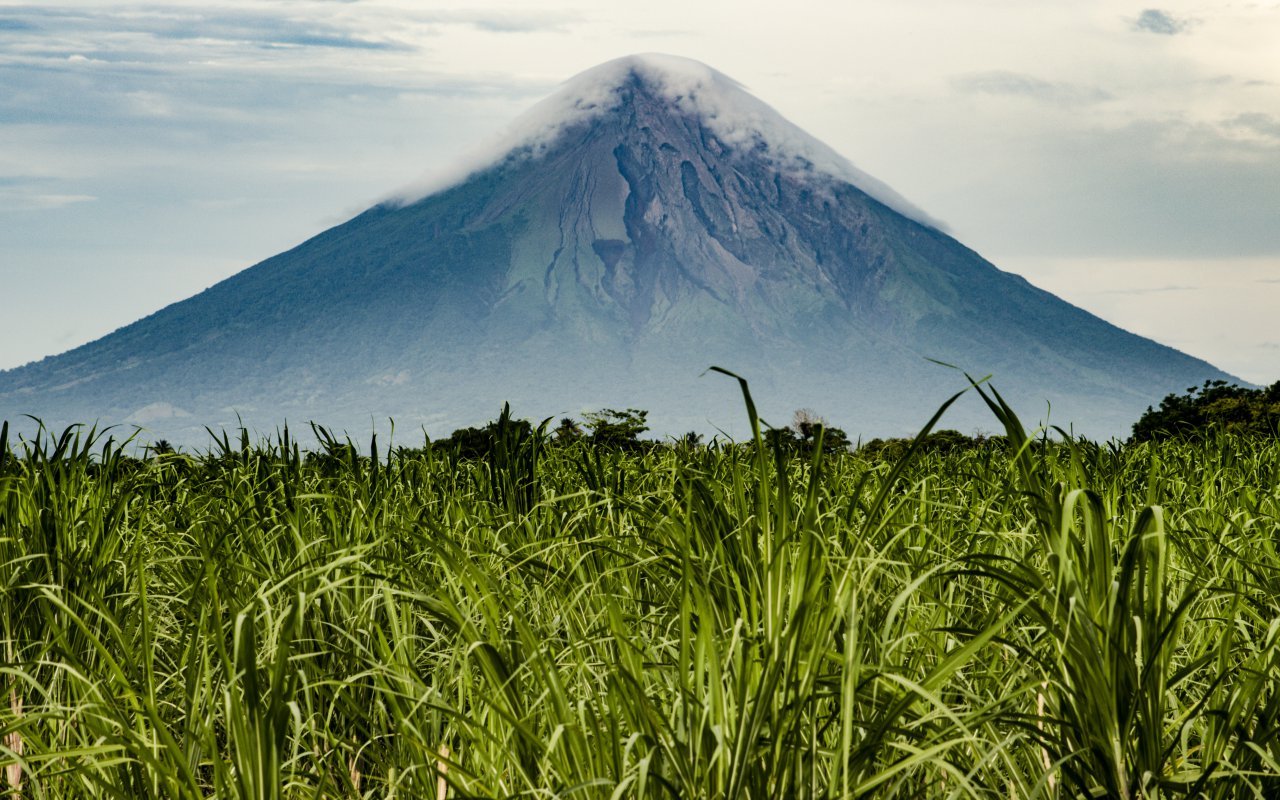
Located in the middle of Lake Nicaragua, Cocibolca, Ometepe is the largest island on the lake. Easily accessible by ferry from the port of San Jorge, near Rivas, it offers a multitude of activities close to nature around the two volcanoes that make it up: Concepción and Maderas . There’s something special about this island, it either pleases or it doesn’t. There’s a very particular ondahere , different from that on the mainland. Whether during the dictatorship or other national upheavals, the natives of Ometepe are in contracorriente. To set foot in Ometepe and explore the region is to be sure of a complete change of scenery and some superb discoveries.
Geography and weather of Ometepe
A volcanic island with little infrastructure
Covering an area of less than 300 km2, the island of Ometepe currently has a population of over 35,000. The two “urban” and administrative centers, Moyogalpa and Altagracia, are naturally the most densely populated. In the protected areas of the island, there are no residents and no economic activities. No infrastructure whatsoever! Nature in its almost raw state, untouched by human intervention. The reason for this is neither political nor ecological; it’s simply the volcanic state and configuration of some of the land, which makes it impossible to exploit. So, naturally, nature has reclaimed its rights
A generally mild climate
Climate-wise, temperatures are pleasant all year round, from 26°C in January to 29°C in March. Beware of heavy rains in August, September and October. The lake is notorious for violent storms during this period.
The island's history and cultural heritage
The island of Ometepe in Nicaragua is full of history and stories. Its name is said to come from the terms ōme (two) and tepētl (mountain) in the original Nahuatllanguage , referring of course to the two volcanoes on the island, Concepción and Maderas.

A population descended from Mexico
1500 B.C. would be the period when Ometepe saw its first inhabitants, a population from what is now Mexico descending the Pacific coast and settling on the island. This was the period when pyramids and other architectural surprises were being built in our present-day Middle East. The Ometepe population didn’t build roads or temples, but rather transhipped from North America and began to put down roots on the island. The place seemed to be welcoming, with good reason
Ometepe’s ancient ceramics and sculptures
How can we appreciate this past history and presence? Large quantities of ceramics and enormous sculptures carved from basalt have been found on Ometepe’s lands and are now on display in the park of the Altagracia church and in Managua’s museum. Twin sculptures attributed to the same builders are also found on Zapatera, another island in Lake Nicaragua.
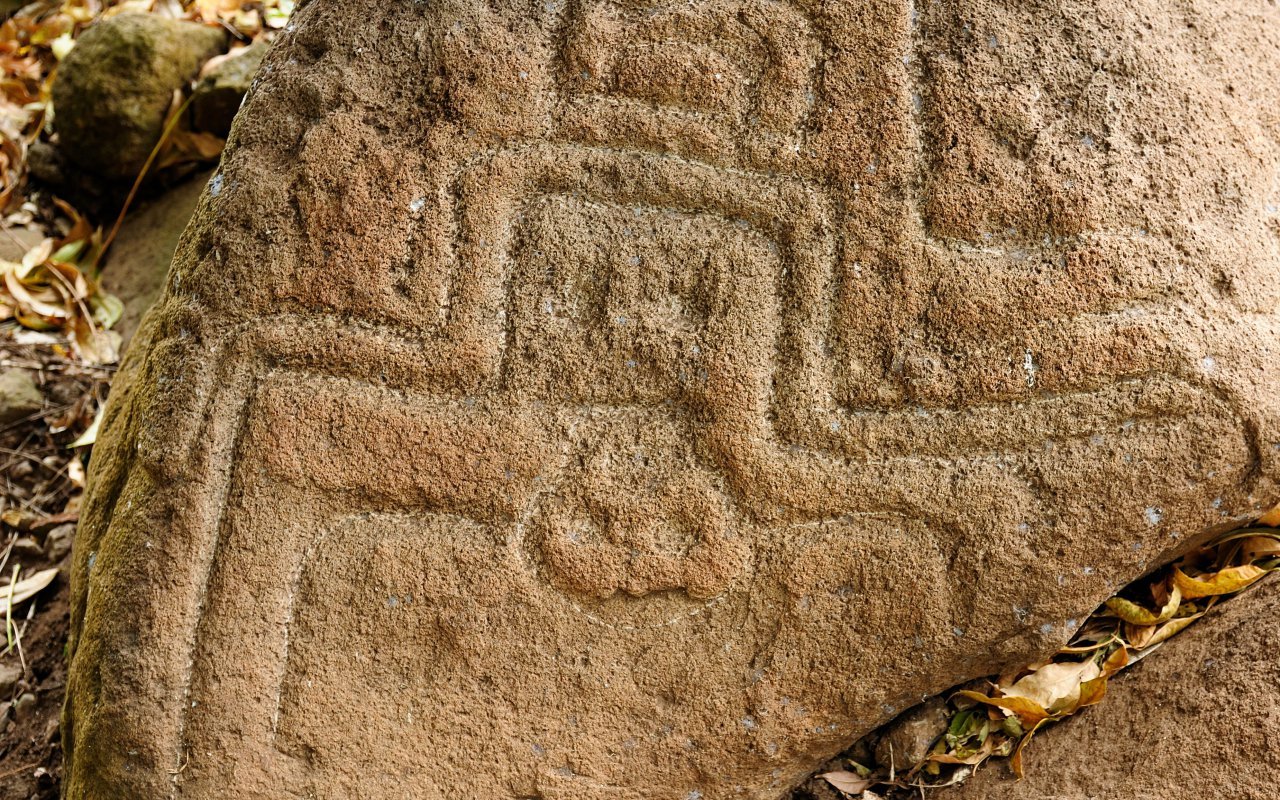
You’ll discover archaeological sites and petroglyphs dating back to 300 BC all over the open-air island. However, it is estimated that few of these past treasures have yet been discovered, and that there is still great potential for excavation in the region, and in the country itself!
A haven for pirates during colonization
During Spanish colonization, Ometepe was a haven for pirates. From the island, it was easy to reach Granada for raids. The town of Granada was regularly pillaged and women kidnapped. The buccaneers who entered through the Caribbean gateway and the Rio San Juan forced the inhabitants of Ometepe to isolate themselves and hide inside the island
Nicaragua’s inter-oceanic canal
More recently, during the 19th century, interest was shown in the idea of breaking through and rethinking Lake Nicaragua with a view to building an interoceanic canal between the Atlantic and Pacific oceans. Despite the existing natural waterways crossing the lake, the many costly developments discouraged many a company. French engineers experienced the same “ordeal” with the neighboring Panama Canal. Until recently, in 2003 and 2013, the subject of a canal in Nicaragua was still on the table, and tenders were invited. History certainly has many surprises in store for this beautiful island of Ometepe, which would be at the heart of the changes brought about by this project.
What to do in Ometepe
The island of Ometepe isn’t very big, but it’s full of different places to visit and sporting activities to do, so you can enjoy all the splendor of this volcanic land in the middle of Lake Nicaragua
Things to do on Ometepe
- trek the Concepción volcano
- a hike on Maderas Volcano
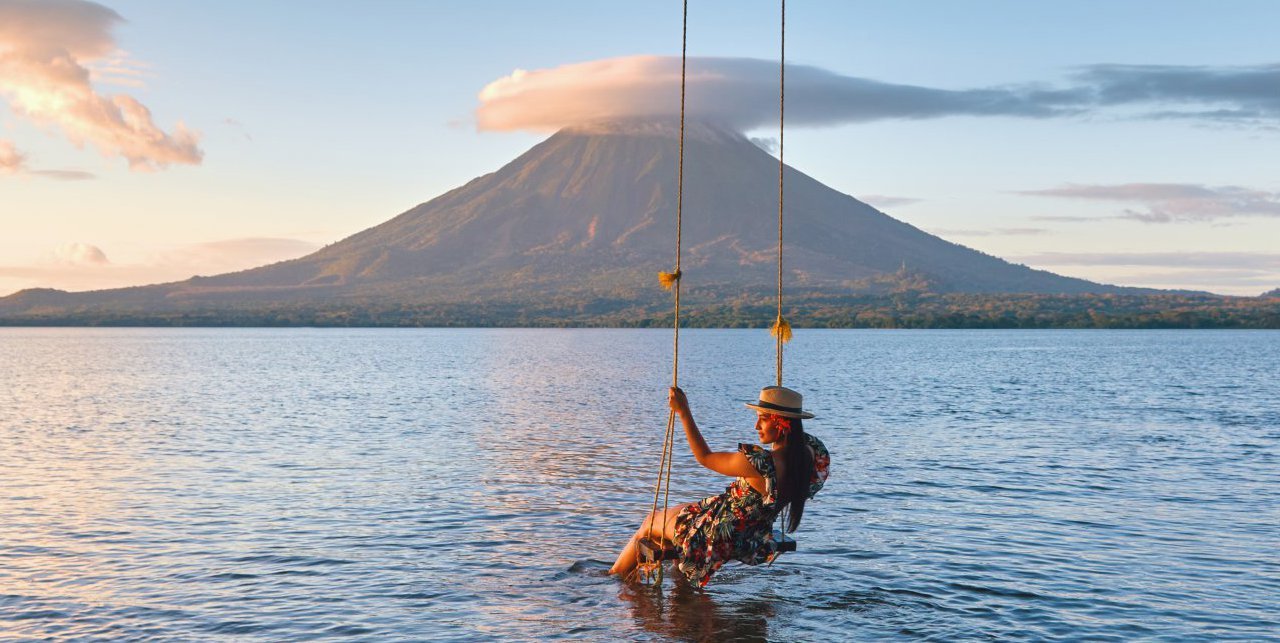
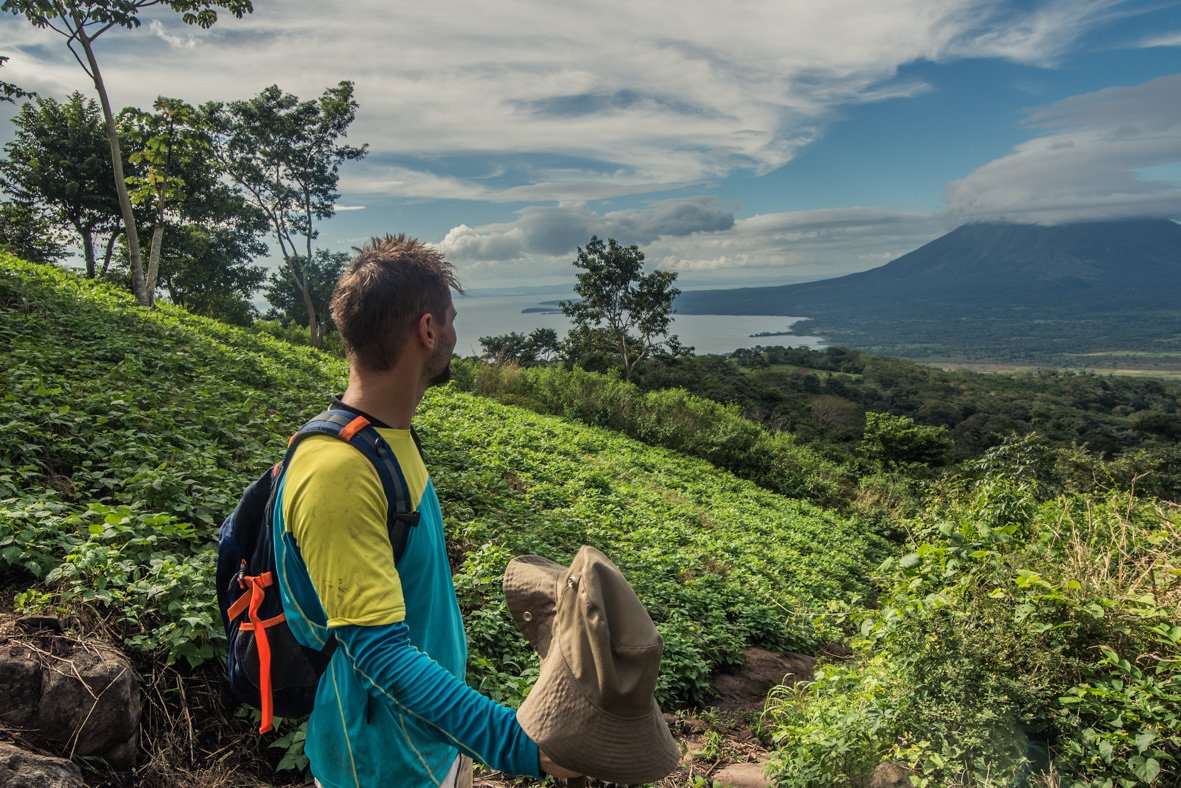
Maderas volcano ascent
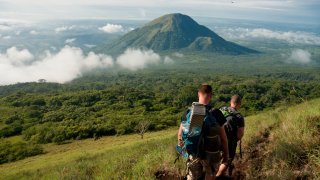
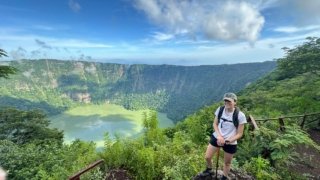
The Maderas volcano trek, an extinct volcano culminating at 1,394 meters on Nicaragua’s Ometepe island, is an adventure in the heart of the humid jungle. It’s a full ascent to the top of the volcano, with the option of descending into the crater to discover a lagoon nestled in dense forest. The hike passes through tropical forests and foggy areas. Trails can be slippery, especially in the rainy season
-
Distance: approx. 14.5 km round trip.
-
Elevation gain: approx. 1,289 m.
-
Duration: between 6 and 9 hours, depending on pace and weather conditions.
-
Difficulty: moderate to difficult, due to steep slopes and muddy terrain.
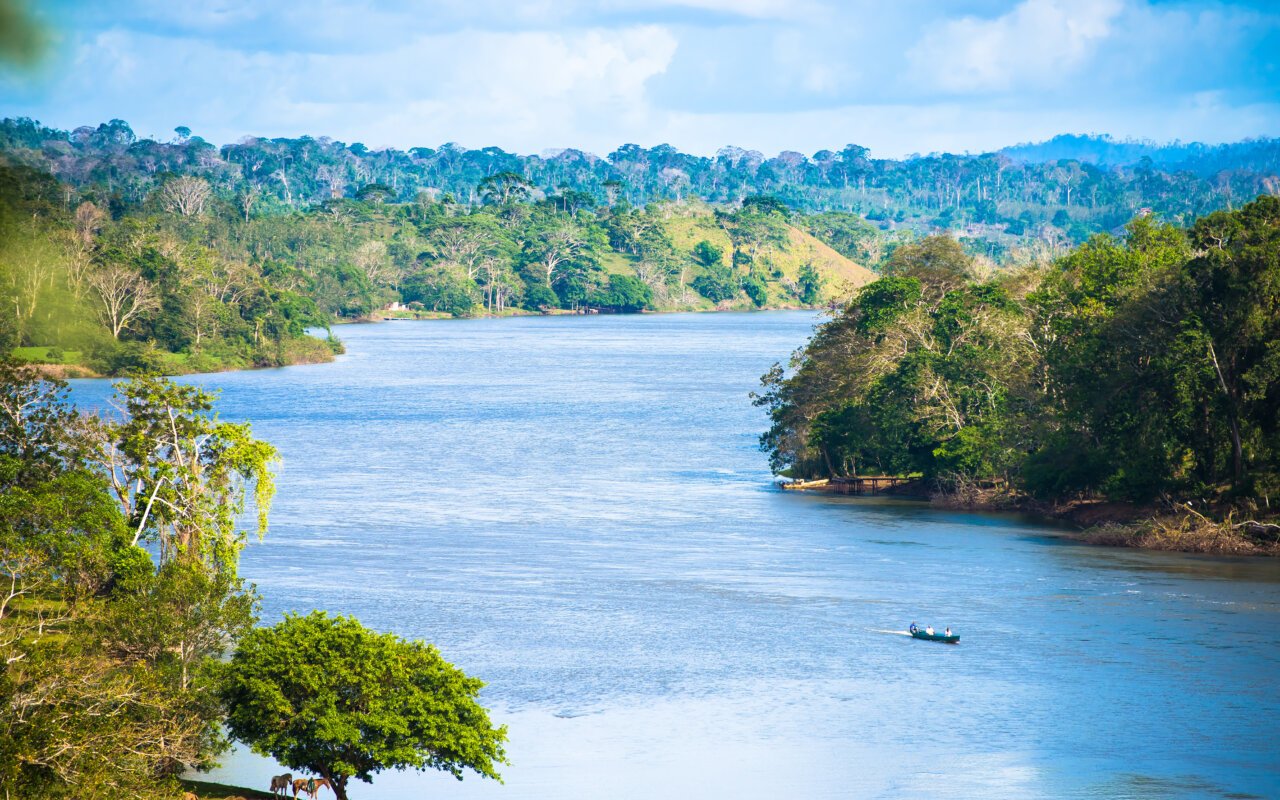
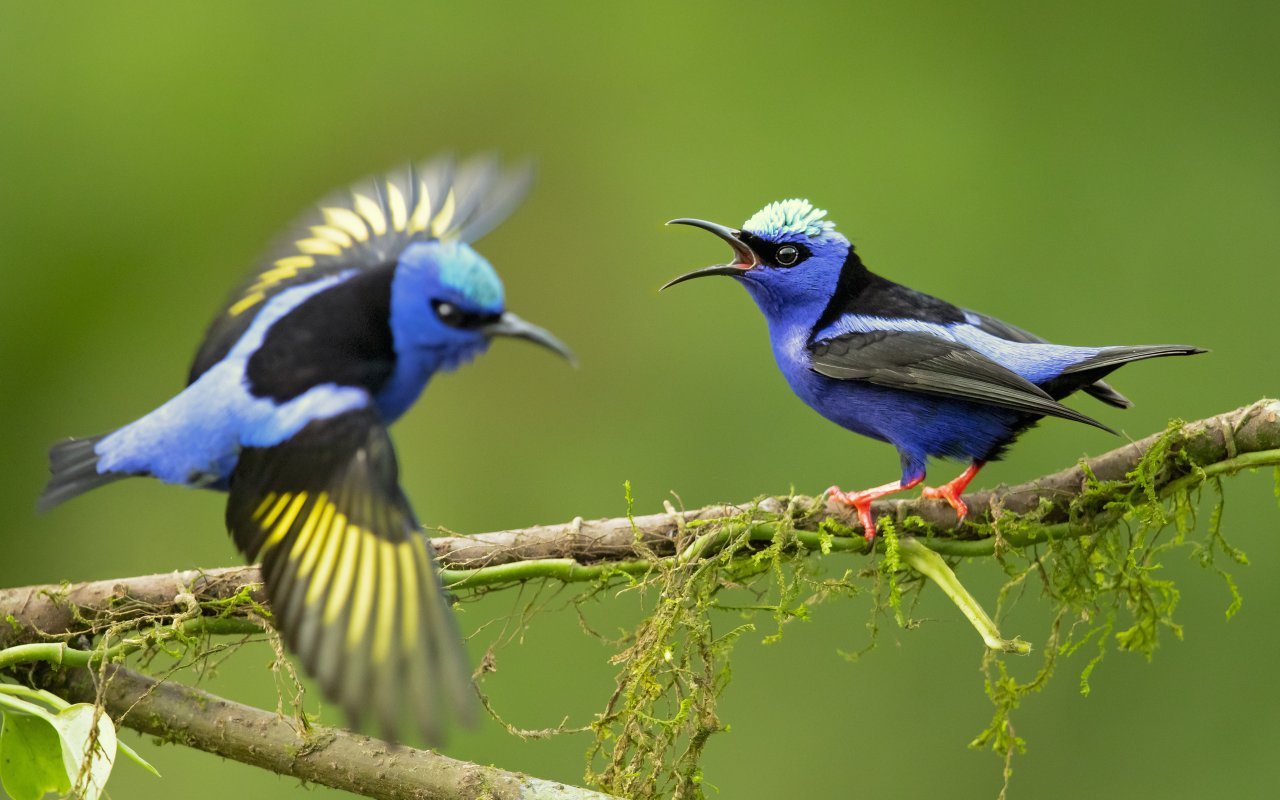
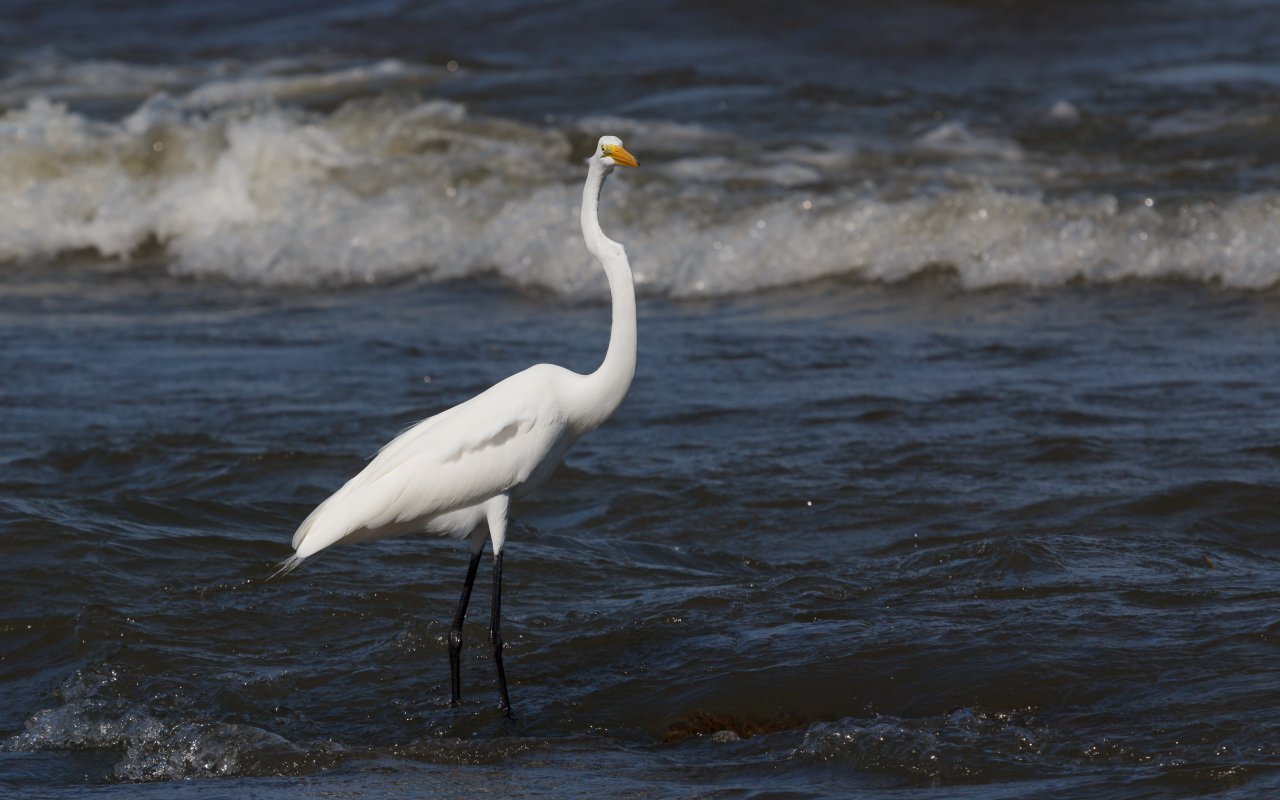
- kayaking on the Río Istián: observe the abundant vegetation and the many resident and migratory birds (herons, jacanas, storks and even falcons) of this river located between the island’s two volcanoes.
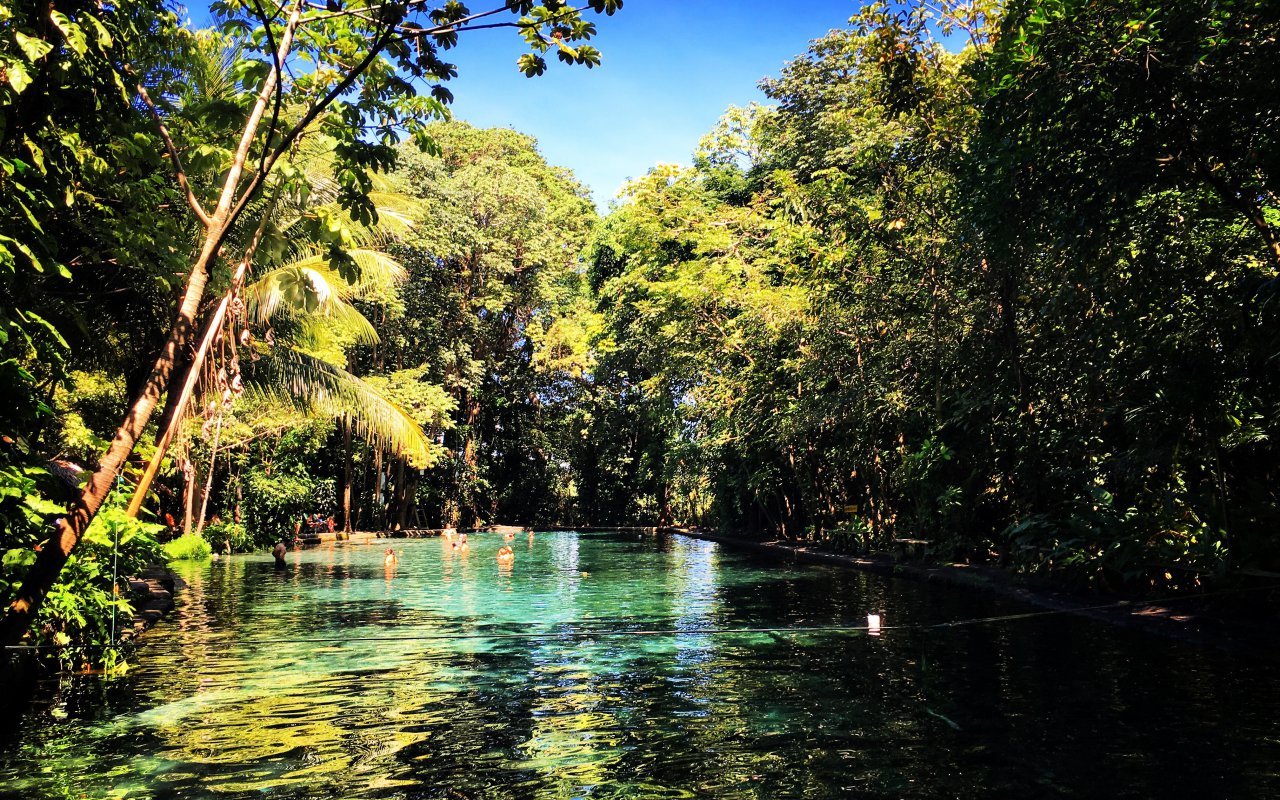
- a swim at Ojo de Agua: relax in the mineral-rich volcanic waters, said to have medicinal properties, in the shade of the rainforest.
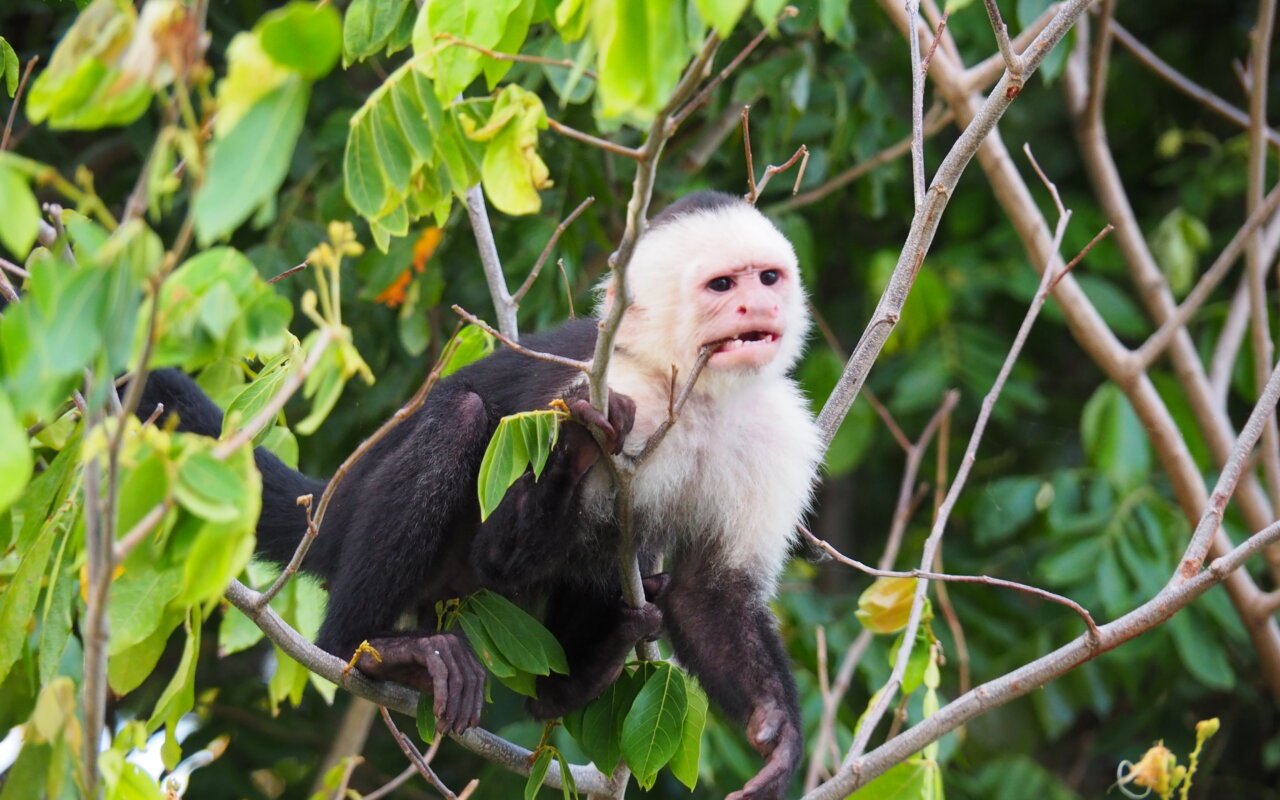
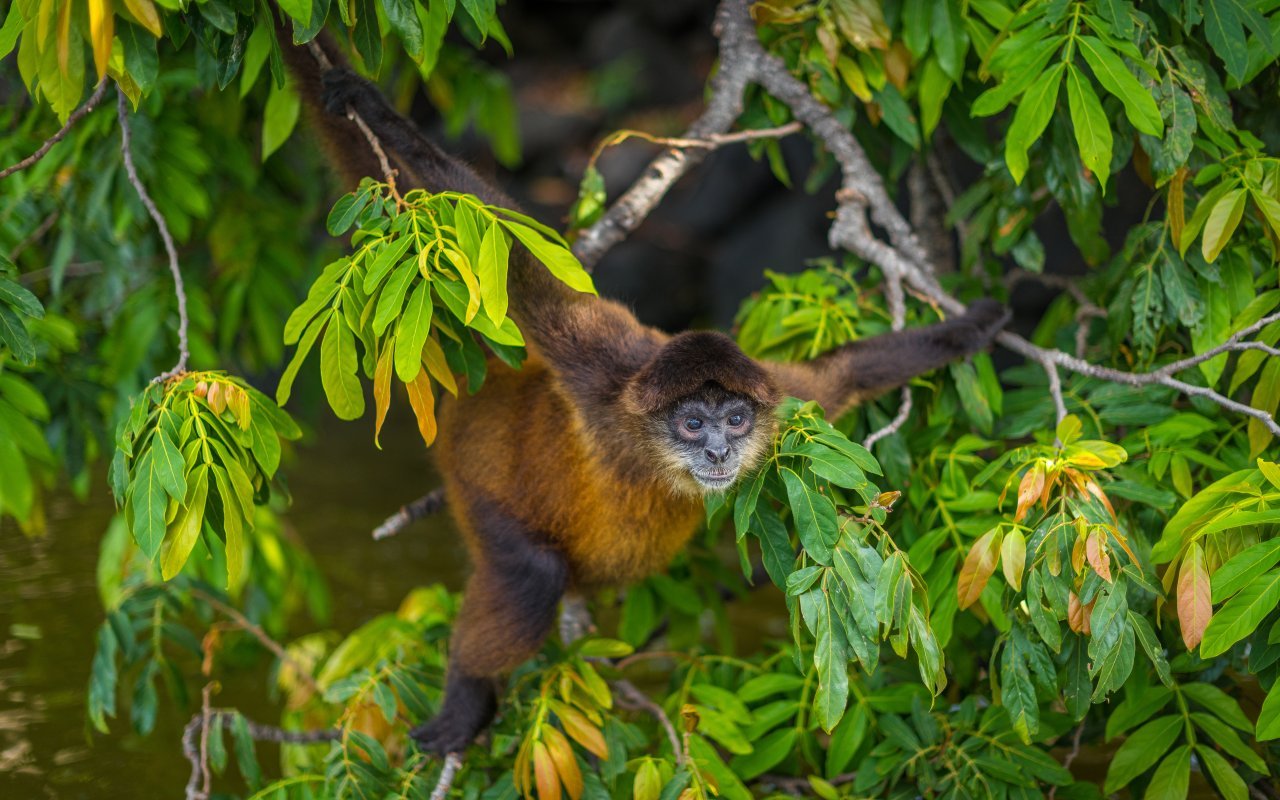
- a walk in the Charco Verde nature reserve: at the foot of the Concepción volcano, along the lagoon and Lake Nicaragua, listening to the many howler monkeys and all kinds of birds.
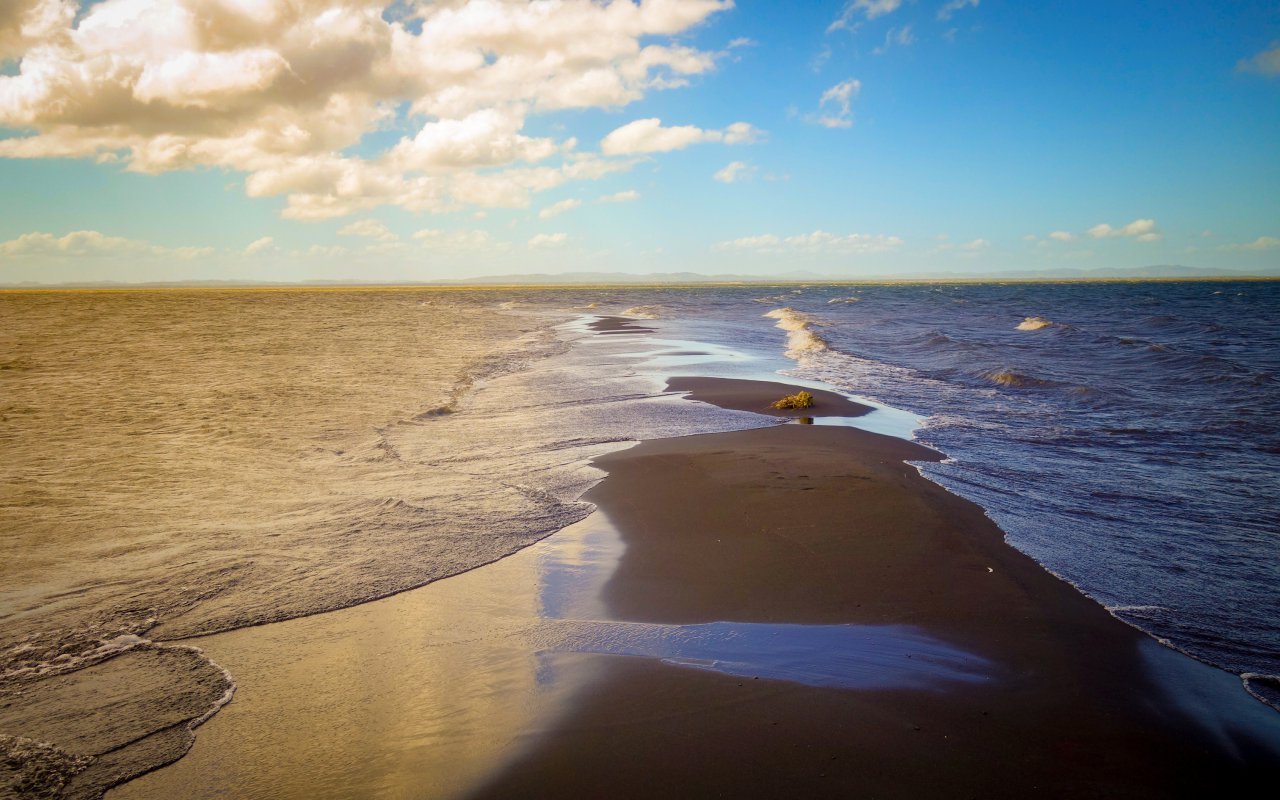
- a sunset at Punta Jesús María: a narrow stretch of land almost a kilometer long in the middle of Lake Nicaragua, overlooking the Mombacho volcano near Granada.
- a hike to the San Ramón waterfalls: a pleasant walk on the southern slopes of the Maderas volcano, in the midst of abundant nature where you can observe various animals such as Congo monkeys, boas, a wide variety of birds and insects, before arriving at the waterfall for a refreshing dip.

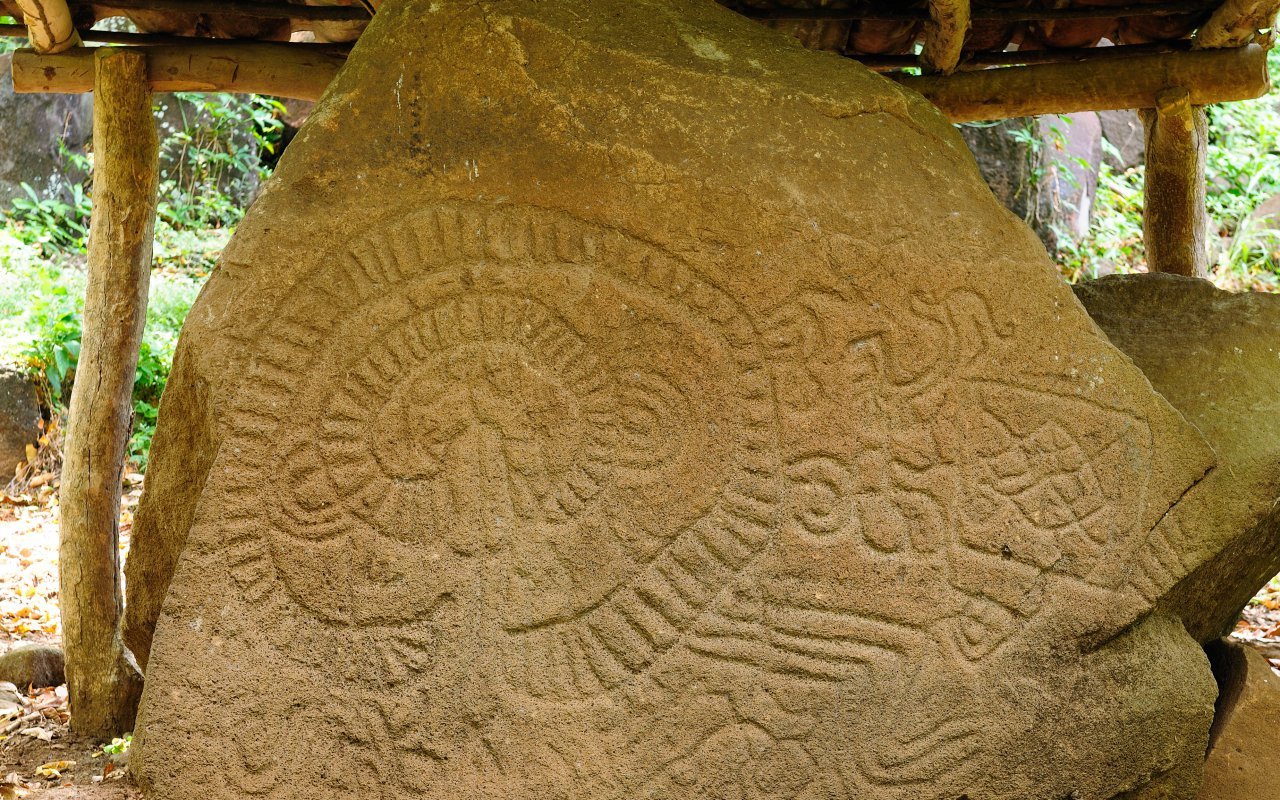
- a visit to the Ceibo Museum: founded in 2007, the museum traces the wealth of Nicaraguan archaeology and pre-Columbian remains in the region.
- a walk to discover the 1,500 petroglyphs scattered around the island.
- tour the island by bike, scooter or motorcycle
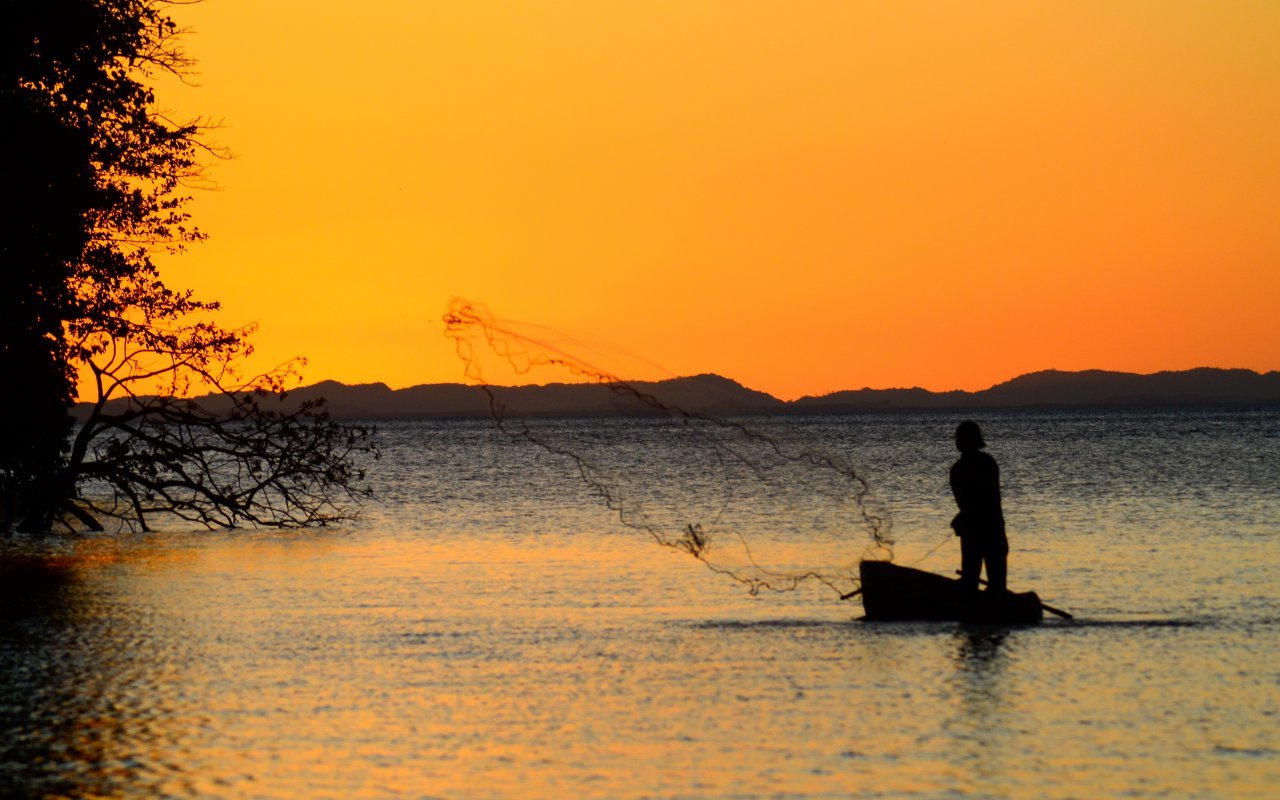
- water sports on the lake, such as kitesurfing, kayaking or fishing from a boat.
- swimming in the lake waters at Playa Santo Domingo
Getting to and around Ometepe
How to reach Ometepe by ferry
The island of Ometepe can be reached by boat and ferry from the city of Granada or from the port of San Jorge, near the town of Rivas . The boat from Granada leaves only twice a week and arrives in the north of the island in the town of Altagracia after a four-hour crossing – it is currently out of service.The quickest and most convenient way is to take a ferry or boat from the port of San Jorge to the port of Moyogalpa in Ometepe. The crossing takes just over an hour, with one or two departures per hour. You can take your own car to the island, which is only transported on the ferries, or rent one locally.You can also get around the island by cab, bus, scooter or motorcycle.

Plan your next trip to Nicaragua!